
Why Veterinary Clinics Are Becoming the Next Hot Investment in Healthcare Real Estate
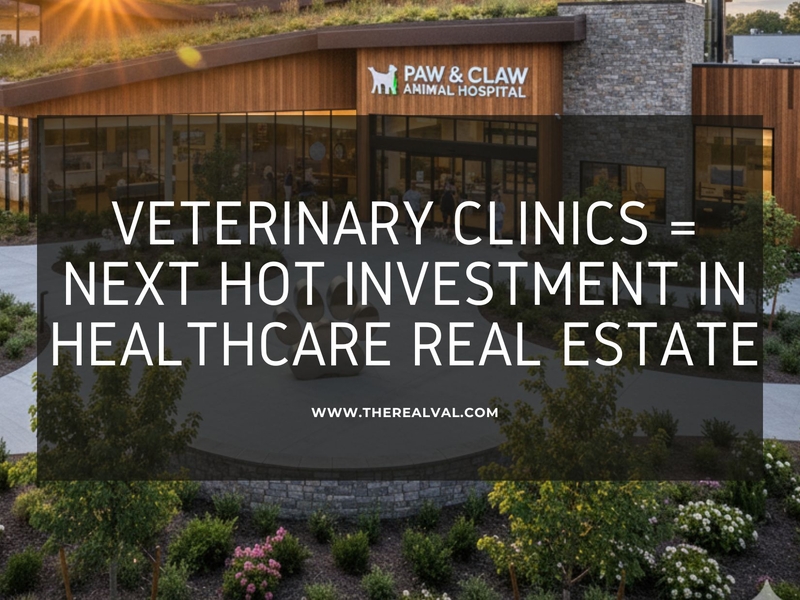
In CRE, investors are always looking for asset classes that offer stable demand and steady returns. Usually, hospitals, medical office buildings, and senior living facilities have dominated the healthcare space. However, in current times, veterinary clinics and animal hospitals are emerging as a strong alternative. It is gradually becoming one of the most attractive segments in healthcare real estate.
As pet ownership is rising and as pets become more like family members, owners are willing to spend more on advanced medical care, surgeries, diagnostics, and specialized treatments. This trend is transforming veterinary clinics into a high-growth asset class with long-term income potential.
In the following blog, we’ll break down the veterinary real estate market in detail.
Factors Driving the Demand of Veterinary Clinics
- Rising Pet Ownership: In the past decade, pets have evolved from being mere companions to becoming true family members. This emotional shift has significantly increased spending on pet health, wellness, and medical services. Millennials and Gen Z are driving this trend by choosing to invest more in preventative and advanced veterinary care for their pets. There are other strong demand triggers as well- like post-pandemic pet adoption, growing awareness about preventive animal healthcare, and rising global penetration of pet insurance. More pet parents now prefer trained veterinary professionals over informal, and unorganized setups. Therefore, veterinary clinics are witnessing consistent year-on-year revenue growth, making them strong income-producing assets for real estate investors.
- Recession-Resilient, Needs-Driven Business Model: Veterinary services fall under essential healthcare, not discretionary spending. Pets require regular vaccinations, diagnostics, grooming, emergency aid, and surgery regardless of the economic environment. This demand stability protects veterinary clinics from recession-related drops in revenue. Due to its needs-driven nature, veterinary real estate tends to have low vacancy risk and remains relatively stable even during downturns or inflationary phases. For investors looking to safeguard capital while earning steady income, this asset class offers strong defensive characteristics.
- Long-Term Leases & Sticky Tenants: Veterinary clinics rarely shift locations because relocating involves re-installation of heavy medical equipment, meeting compliance standards, and maintaining customer familiarity. Moving also means losing loyal clients and reinvesting in costly interior medical fit-outs, and most operators prefer to avoid that hassle. This leads to veterinary tenants often signing long-term leases ranging from 10 to 20 years, providing landlords consistent rental income. High initial buildout costs also encourage tenant retention and increase the probability of lease renewals.
- Room for Consolidation: The veterinary industry is still largely fragmented, with many clinics independently owned. However, corporate chains and private equity-backed groups have begun acquiring clinics to build scalable networks. This growing consolidation trend is expected to push property valuations upward over time. As consolidation increases, opportunities emerge in sale-leaseback deals, portfolio aggregation, and eventual exit at higher multiples. Early investors could benefit from capital appreciation as the market matures.
- Growing Specializations in Animal Healthcare: Veterinary care has expanded far beyond basic treatment. New specialized verticals such as orthopedic surgeries, oncology services, dermatology, dentistry, physiotherapy, rehabilitation, and diagnostic imaging are rapidly emerging. These services require advanced equipment and infrastructure. Such specialized clinics generate higher revenue, attract premium clientele, and often demand larger or more customized real estate spaces. This positions veterinary properties as high-value assets with potential for superior returns.
- Suitable for Both Urban & Suburban Real Estate Markets: Veterinary clinics are not limited to large metro cities. Rising pet ownership in Tier-2 and Tier-3 locations has created demand even in suburban areas, where clinic supply remains limited. This broad market spread increases location flexibility for investors. Successful real estate formats include high-street retail stores, mixed-use commercial properties, standalone buildings with parking, and build-to-suit veterinary hospitals. This adaptability allows investors to select markets based on budget, risk appetite, and strategy.
- Attractive Yield & Lower Competition: Compared to traditional medical office buildings, veterinary real estate is still an emerging space with relatively low competition (for now). Investors entering early can secure favorable deals and benefit from strong yields before the sector becomes saturated. With high tenant stickiness, strong cap rate potential, and the possibility of double-digit returns in certain markets, the segment appeals to passive income seekers. As more institutional capital enters, demand and valuations are expected to rise allowing first movers an advantage.
Key Stats to Check Out
- The U.S. pet industry crossed $147 billion in annual spending in 2023, and is still growing. (American Pet Products Association)
- According to the 2021 Consumer Expenditure survey, vet services and pet food account for 35% and 33% of total spending on pets, respectively. (BLS)
- Nearly 66% of U.S. households own a pet as of 2024, according to the AVMA. (Forbes)
What Should Investors Evaluate Before Buying Veterinary Real Estate?
- Tenant Strength: Check whether the clinic is independently owned or part of a larger national/corporate chain, as this affects stability and creditworthiness.
- Lease Structure: Prefer long-term NNN (triple net) lease agreements for lower landlord responsibility and steady cash flow.
- Catchment Demographics: Look for areas with high pet ownership and middle-to-high income households to ensure consistent demand.
- Facility Buildout: Specialized medical infrastructure and fit-outs increase tenant stickiness and renewal likelihood.
- Parking & Accessibility: Essential for emergency cases, easy patient drop-offs, and overall client convenience.
- Regulatory Compliance: Ensure adherence to local medical, licensing, and waste disposal regulations to avoid operational disruptions.
Veterinary clinics is a combination of healthcare demand and emotional spending, and these two behaviors remain strong even in recessions. With increasing pet ownership, growing corporatization, and the rise of specialized animal care, veterinary real estate is moving beyond a niche category and rapidly entering the mainstream investment landscape.
If you're considering diversifying into healthcare real estate, veterinary clinics could be a strategic choice. To explore opportunities, reach out to us at info@therealval.com and let us map your journey into this growing asset class.




Contact